Images are the most engaging element of any website. They tell stories, sell products, and create emotions that text simply cannot. However, images are also the "heavy weights" of the internet. If you aren't careful, your high-resolution photos can become a massive anchor that drags your website speed into the depths of the second page of Google. In the era of mobile-first indexing, the way you handle your images is one of the most significant factors in your SEO success.
In this comprehensive analysis, we'll explore the science of how images affect site performance, how Google judges your images in 2026, and how 3esk Converter tools can help you achieve a perfect score on technical SEO audits.
The Correlation: Speed is SEO
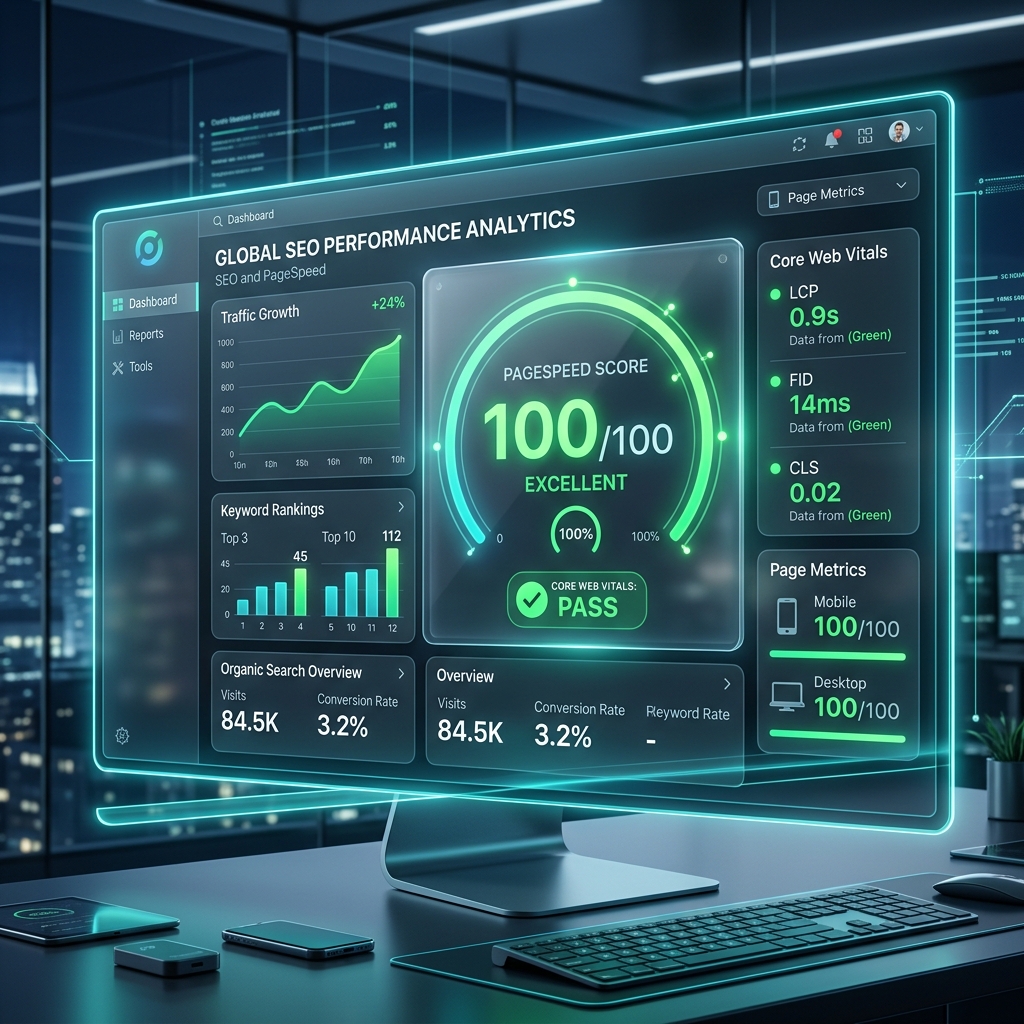
Google's mission is to provide the best possible experience for users. Users hate waiting. Therefore, speed is a foundational pillar of SEO. In 2021, Google launched the **Core Web Vitals** update, which turned speed metrics into direct ranking signals. If your competitor's page loads in 1 second and yours loads in 4 seconds, they will outrank you, even if your content is slightly better. And 90% of the difference between a 1-second and 4-second load time is almost always **image weight**.
Understanding LCP: The Image Killer
**Largest Contentful Paint (LCP)** is the most important Core Web Vital. it measures when the largest element above the fold (the area seen without scrolling) is rendered. For 80% of websites, this element is a hero image. If that hero image is a 2MB uncompressed JPG, your LCP will be poor, and your SEO will suffer. By reducing image size and converting to WebP, you can slash your LCP by seconds, directly improving your rank.
The Hidden SEO Factor: Crawl Budget
Most people forget that Google is a bot that has to download your site. Google allocates a "Crawl Budget" to every website. If your images are unoptimized and 5MB each, Google's bot will spend all its "energy" downloading three images and may never get to your 50 new blog posts. Optimized images allow Google to crawl your entire site much more efficiently, ensuring that all your content is indexed and searchable.
"SEO Principle: Optimized images = Smaller page weight = Faster crawl = More indexed pages = More Traffic."
Accessibility and Image Ranking
SEO isn't just about speed; it's about context. Google cannot "see" images in the way humans do. It relies on metadata and accessibility features to understand what an image is about.
- Alt Text: This is a description of the image for screen readers. It is also the #1 way Google understands image context. Use descriptive, keyword-rich (but not spammy) alt text.
- File Names: Don't use `IMG_1234.jpg`. Use `best-online-image-converter.jpg`. Descriptive names help your images rank in "Google Image Search," which can be a huge source of organic traffic.
- Image Sitemaps: Ensuring your images are listed in your sitemap (like our sitemap.xml) helps Google find images that might be hidden by JavaScript or lazy loading.
5. Mobile-First Indexing and Adaptive Images
Google now indexes the mobile version of your site first. If your mobile page serves the same high-res 4000px image as your desktop site, you will be penalized for wasted bandwidth.
- The Solution: Use our batch tool to create multiple versions of your images (Small, Medium, Large).
- The Code: Use the
<picture>andsrcsetattributes to serve the smallest version possible to smartphone users.
6. The Crawl Budget Equation
Google has a limited "Crawl Budget" for your site. If your images are massive, it takes the Googlebot longer to download and index a page. If it takes too long, the bot might leave before indexing your other pages. Smaller images = faster crawls = more pages indexed. It’s as simple as that.
7. Image Sitemaps: Don't Be Invisible
Many site owners forget to include their images in their `sitemap.xml`. In 2026, visual search (Search by Image) is a massive traffic driver. Ensure every image path is listed, and use **WebP** as the primary source to signal to Google that your site is modern and fast.
8. FAQ: The SEO and Speed Masterclass
Q: Does Google penalize for using WebP?
No, quite the opposite. Google created WebP and their PageSpeed tool actively recommends it. Utilizing WebP is a direct signal that your site is optimized for the modern web.
Q: How much does speed *actually* impact my rank?
For two pages with identical content quality, the faster page will win 9 out of 10 times. Speed is often the "final hurdle" that keeps a site stuck on page 2 instead of page 1.
Q: Is Alt Text still important in 2026?
Yes. While AI vision is powerful, Alt Text remains the definitive signal for accessibility (screen readers) and the primary keyword anchor for Image Search rankings.
Q: Can I use 3esk to fix my PageSpeed scores instantly?
Yes. Converting your top 10 heaviest images to WebP and reducing their dimensions to the actual display size can often raise a PageSpeed score from 40 to 90 in minutes.
Conclusion: Speed is the ultimate SEO Hack
SEO isn't just about keywords; it's about the **User Experience**. A user who waits 5 seconds for a photo to load is a user who leaves. By prioritizing image optimization, you are showing both Google and your audience that you value their time.
Ready to climb the rankings? Start with the easy win. Use 3esk Converter to modernize your assets, slash your load times, and dominate the search results of 2026.
Boost Your SEO Today
Convert your heavy assets to lightning-fast WebP. Experience the 3esk speed boost now.
Start Optimizing